On a cold October evening, you wrap both hands around a mug of ginger tea. The warmth spreads through your palms, into your chest, and out toward your fingertips. That sensation is not your imagination — and it is precisely what Traditional Chinese Medicine has been prescribing ginger for over a thousand years.
When most people think of ginger, they think of warmth: a warming drink, a cold-season companion, a root that heats the body from the inside out. TCM agrees entirely. In Chinese medicine, ginger is above all a warming herb — one that disperses cold, promotes circulation, and strengthens the body through the colder months of the year.
🌿 What Is Ginger?
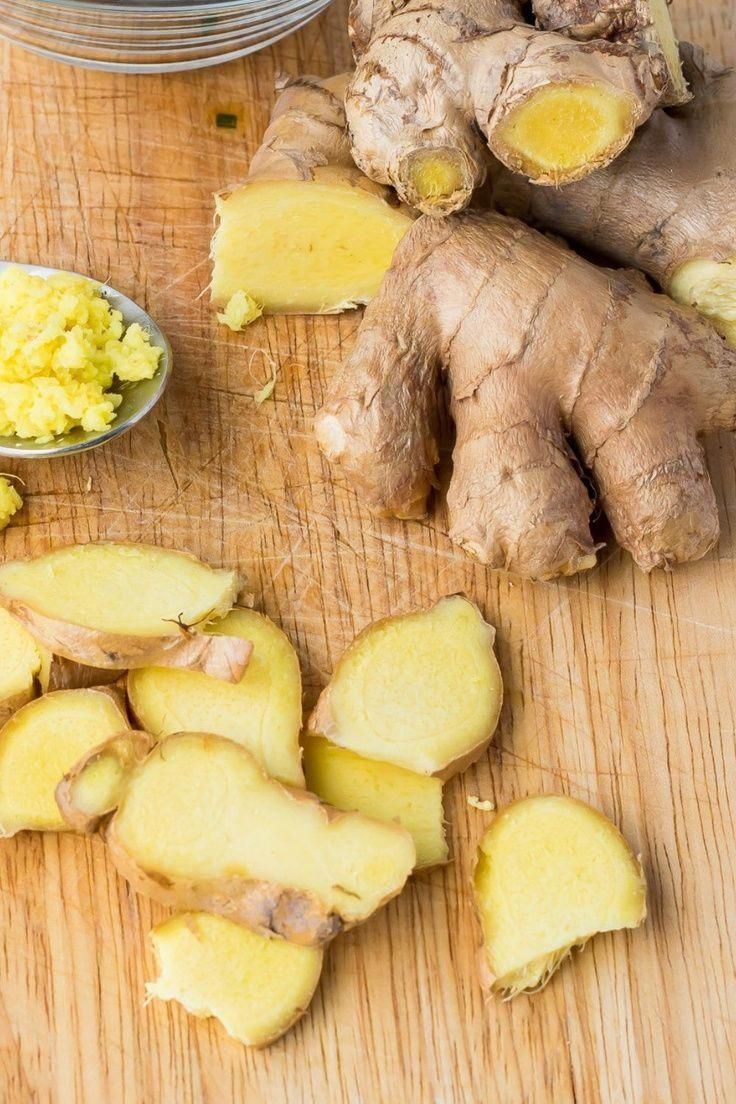
Ginger (Zingiber officinale) is a flowering plant whose underground root — the knobbly piece you find in every supermarket — has been used as food and medicine for over 5,000 years. In Chinese it is called 生姜 (Shēngjiāng), literally "living ginger". It is one of the most studied medicinal plants in the world, and what research keeps finding is consistent with what Chinese physicians recorded long ago.
- Botanical name: Zingiber officinale
- Chinese name: 生姜 (Shēngjiāng)
- Origin: Southeast Asia; cultivated worldwide for over 5,000 years
- Key active compounds: Gingerols, shogaols, zingerone, paradols
🔥 Ginger in TCM — Warmth Is the Core
In TCM, ginger is classified as warm in temperature and pungent in taste. These two properties define everything it does: warmth counteracts cold, and pungency moves things — Qi, blood, and pathogens alike. When autumn arrives and cold-wind invasions begin (that familiar scratchy throat on a blustery day), ginger is TCM's first line of defence.
Fresh ginger (Shēngjiāng) acts on the Lung, Spleen, and Stomach meridians. Its warming action works both outward — opening the pores, dispersing surface cold — and inward — warming the digestive centre. A bowl of fresh ginger simmered with brown sugar and spring onion is the classic Chinese cold-season remedy, unchanged for over a millennium.
- Taste (TCM): Pungent
- Temperature (TCM): Warm
- Meridians: Lung, Spleen, Stomach
- Key actions: Releases exterior cold, warms the middle, disperses phlegm-cold in the Lung, stops vomiting
💊 Health Benefits — What the Research Says
1. Warming the Body & Circulation
Ginger has mild vasodilatory effects — it gently widens blood vessels and promotes blood flow to the periphery.[1] This is the physiology behind that pleasant warm flush after a cup of ginger tea on a cold evening. In TCM, this is described as "pushing Yang Qi outward to the limbs". Cold hands and feet — which TCM associates with Yang deficiency or cold obstruction — often respond well to consistent daily ginger use throughout the winter months.
2. Cold-Season Immune Support
Fresh ginger extract can inhibit the adhesion of respiratory viruses to mucous membranes. A 2013 study in the Journal of Ethnopharmacology found that fresh ginger was effective against human respiratory syncytial virus in airway cell lines.[2] Ginger is also a mild diaphoretic — it can induce a light sweat, which TCM uses to release an early cold pathogen before it penetrates deeper. A warm ginger-honey drink at the first sign of a chill is not just folk medicine; it has a clear mechanism.
3. Warming the Digestion
Cold slows the digestive fire — a concept in TCM that has a modern parallel: gastric motility decreases in cold conditions. Ginger counteracts this directly. A controlled trial in the European Journal of Gastroenterology & Hepatology (2008) showed that ginger significantly accelerated gastric emptying in healthy volunteers.[3] In TCM, this is "moving Qi in the middle Jiao" — warming the digestive centre so that food moves smoothly and the belly stays comfortable through winter.
4. Anti-Inflammatory — Especially in Cold, Damp Weather
Gingerols and shogaols inhibit COX-2 and other pro-inflammatory enzymes. A review in the Journal of Medicinal Food (2005) documented ginger's broad anti-inflammatory actions and its potential benefit for joint pain and chronic inflammation.[4] In TCM, cold and damp are the two pathogens most closely associated with joint pain — and ginger's warming, dispersing action addresses both directly. Many people notice stiff or aching joints more in winter; regular ginger use may offer gentle, sustained relief.
5. Anti-Nausea
Ginger is well-established as an anti-nausea agent — a 2014 systematic review in Nutrition Journal confirmed its effectiveness for pregnancy-related nausea with no safety concerns.[5] In TCM terms, this is an expression of its stomach-warming action: a cold, rebellious Stomach sends food upward; ginger warms it back into order. This is a real benefit, though not the main reason to reach for your ginger tea.
🍵 Ginger Tea — The Heart of Cold-Season Use
In TCM practice and Chinese home culture, ginger tea is the single most common way to use this herb — and with good reason. Slow-simmering fresh ginger extracts its warming compounds gently, producing a drink that warms the body gradually and sustainably. Here are the classic preparations:
- Classic warming tea: Simmer 3–4 thick slices of fresh ginger in 300 ml water for 10–15 minutes. Add a teaspoon of honey and a squeeze of lemon. Drink hot before heading outdoors in cold weather, or in the evening to warm through before bed. A simple ritual that makes a real difference over autumn and winter.
- Cold-wind remedy (TCM classic): Fresh ginger slices, brown sugar (红糖, Hóngtáng), and one stalk of spring onion simmered together. Drink hot at the very first sign of a cold — scratchy throat, slight chills, runny nose — then wrap up warmly. Used for over a thousand years for good reason.
- Ginger congee: Add 4–5 thick slices of fresh ginger to slow-cooked rice congee. A deeply warming breakfast for cold mornings, especially when digestion feels sluggish. The TCM cold-season staple.
- In cooking: Grate fresh ginger into soups, stews, and stir-fries throughout autumn and winter. Its warming effect accumulates with consistent daily use — you don't need large quantities; regularity is what counts.
⚖️ Dosage
- Fresh ginger (daily tea / culinary): 3–10 g per day — 3 to 5 slices simmered in tea, or 1–2 teaspoons grated into food.
- Fresh ginger (TCM decoction, Shēngjiāng): 3–10 g per day, simmered in soups or herbal formulas.
- Supplements / extracts: Most studies use 1–3 g standardised extract daily; follow product instructions.
💡 Caution: Excessive ginger, especially concentrated extracts, can cause heartburn and mouth irritation. Those who tend to run hot (TCM: Heat or Yin-deficiency patterns) should use ginger moderately. Start low and observe.
⚠️ Who Should Be Cautious?
- Blood-thinning medication (warfarin, aspirin): Ginger has mild antiplatelet effects. Consult your doctor before using high doses regularly.
- Gallstones: Ginger stimulates bile production, which may be problematic with bile-duct obstruction.
- Pregnancy (high doses): Culinary amounts are safe; large medicinal doses should be discussed with a midwife or doctor.
- Heat or Yin-deficiency (TCM): If you tend to run hot — night sweats, dry mouth — use warming ginger moderately.
- Before surgery: Discontinue high-dose supplements at least one week prior due to antiplatelet effects.
📚 Further Reading
- Ginseng 人参: Health Benefits, Dosage & Uses in TCM
- Goji Berry 枸杞: Health Benefits, Dosage & Recipes
- Spring in Traditional Chinese Medicine
- Rose Tea, Qi Stagnation & Emotional Balance in TCM
📖 References
- Li C., et al. (2021). Vasculoprotective effects of ginger (Zingiber officinale Roscoe) and underlying molecular mechanisms. Food & Function, 12(5), 1897–1913. doi:10.1039/d0fo02210a
- Chang JS, et al. (2013). Fresh ginger (Zingiber officinale) has anti-viral activity against human respiratory syncytial virus in human respiratory tract cell lines. Journal of Ethnopharmacology, 145(1), 146–151. doi:10.1016/j.jep.2012.10.043
- Wu KL, et al. (2008). Effects of ginger on gastric emptying and motility in healthy humans. European Journal of Gastroenterology & Hepatology, 20(5), 436–440. doi:10.1097/MEG.0b013e3282f4b224
- Grzanna R, et al. (2005). Ginger — an herbal medicinal product with broad anti-inflammatory actions. Journal of Medicinal Food, 8(2), 125–132. doi:10.1089/jmf.2005.8.125
- Viljoen E, et al. (2014). A systematic review and meta-analysis of the effect and safety of ginger in the treatment of pregnancy-associated nausea and vomiting. Nutrition Journal, 13, 20. doi:10.1186/1475-2891-13-20